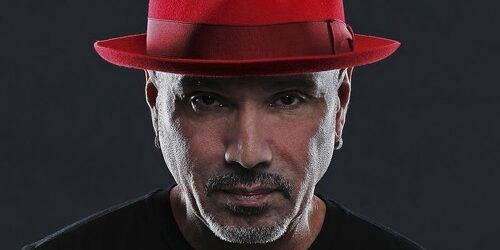
David Morales: The House Legend Still Owning Remixes, Gigs, and Global Events
Few DJs can claim to have shaped house music the way David Morales has.
The Brooklyn-born DJ, producer, and record label boss is one of the original remix kings, a Grammy-winning artist, and a global ambassador for the culture.
From sweaty New York basements to the main stages of Ibiza, Morales has lived the full arc of dance music. His remixes made pop stars sound at home on the dancefloor, while his gigs and festival sets kept house rooted in the community that built it. More than thirty years in, he’s still pushing the sound forward.
Early Roots: From Brooklyn Streets to New York Clubs
Morales grew up in Brooklyn in the late ’70s, soaking up disco and the early sounds of club culture. He studied the masters—Larry Levan at Paradise Garage, Tony Humphries at Zanzibar—and quickly carved out his own space behind the decks.
The Red Zone Residency
By the time the ’80s rolled around, he was a fixture in New York nightlife. His residency at the Red Zone became a defining moment, a place where he honed his style: deep, driving, soulful house that could stretch across a night without losing energy.
These early gigs were about more than music—they were about community. Morales saw how the dancefloor could be a sanctuary, and that ethos has followed him to every club, every festival, every event he’s played since.
The Remix King: How David Morales Redefined the Club Mix
If DJing made him respected, remixing made him famous.
In the late ’80s and early ’90s, record labels turned to DJs who could translate radio hits for the club. Morales became one of the most in-demand remixers in the world.
Iconic David Morales Remixes
Madonna, Mariah Carey, Michael Jackson, U2, Whitney Houston—his list of clients reads like a pop hall of fame. For dancers, these weren’t just remixes. They were the versions. Morales’ mixes often eclipsed the originals in clubs, shaping how an entire generation heard mainstream music on the floor.
Tracks like his remix of Mariah Carey’s Dreamlover or Jamiroquai’s Space Cowboy became staples, not just for him but for DJs everywhere. This was Morales at his peak: the guy who could turn a chart hit into a 10-minute house workout.
In the Studio: Morales’ Production Style
What made Morales’ productions and remixes so enduring was their balance. He respected the song while reimagining it for the club.
The Morales Sound
His studio style was about space—clean drum programming, basslines that rolled rather than punched, and vocals treated like the star of the show. He wasn’t afraid to strip things back, let the groove breathe, and build tension slowly. That patience gave his tracks staying power.
And while the pop world loved him, the underground never turned away. He kept credibility because he never lost touch with house itself. Whether it was a vocal-led anthem or a stripped-down club tool, Morales understood what DJs needed.
David Morales Gigs: From Underground Clubs to Global Festivals
Morales is a DJ first.
Ask anyone who saw him at the Red Zone, Ministry of Sound, or Pacha Ibiza. His sets had weight. He read the room, shifted gears on instinct, and kept energy flowing for hours.
Legendary Club Nights
Unlike DJs who show up with pre-set playlists, Morales played in the moment. He leaned on house staples, teased remixes, and wasn’t afraid to go deep. The crowd knew they were in safe hands, whether it was 300 people in a club or 30,000 at a festival.
That’s why his gigs became legendary. He wasn’t chasing hype—he was building nights. And that approach has carried across decades.
David Morales Events: Ibiza, Festivals, and Beyond
When house music exploded globally, Morales was already there.
He was a regular in Ibiza, playing marathon sets that helped cement the island’s reputation as a mecca for house. At Pacha, Space, and beyond, his name became synonymous with proper house nights.
Festivals and Global Reach
Festivals brought him to even bigger stages. From South America to Japan, Morales introduced house to audiences who had never experienced it at scale. And while EDM and spectacle took over some line-ups, Morales stayed grounded. No gimmicks—just beats, soul, and timing.
That’s why David Morales events feel different. They’re not just about spectacle—they’re about connection. He can make a 20,000-person crowd feel like a sweaty New York club.
Def Mix Productions: Building the House Industry
In 1987, Morales co-founded Def Mix Productions with Frankie Knuckles and Judy Weinstein. The collective became a cornerstone of house music.
The Def Mix Legacy
Def Mix managed DJs, released records, and built the careers of artists who defined the sound. It wasn’t just business—it was infrastructure for a culture that was still underground. Morales’ role in Def Mix showed he wasn’t just an artist—he was helping shape the industry itself.
Still Relevant: Morales in 2025
Morales never stepped away. While some of his peers slowed down, he kept touring, producing, and mentoring.
The Mentor Role
He’s embraced new tech without losing his touch. His sets now blend classic house cuts with fresh releases, giving younger crowds an education in where it all began. In the studio, he’s still turning out tracks—soulful, groovy, unmistakably Morales.
He also takes time to mentor. He knows house isn’t just about records—it’s about people. Passing on knowledge keeps the scene alive, and Morales is committed to that.
Why David Morales Still Matters
In 2025, David Morales is more than a veteran. He’s a living link to the roots of house and proof of its staying power.
His remixes changed how the world heard pop. His gigs turned nights into memories. His events showed that house music could be both underground and global.
And he’s still at it. Still remixing. Still playing. Still moving crowds on every continent.
That’s why, when people talk about house music legends, David Morales is always in the conversation. Not because of nostalgia, but because he’s still here, still relevant, still proving that the groove is eternal.