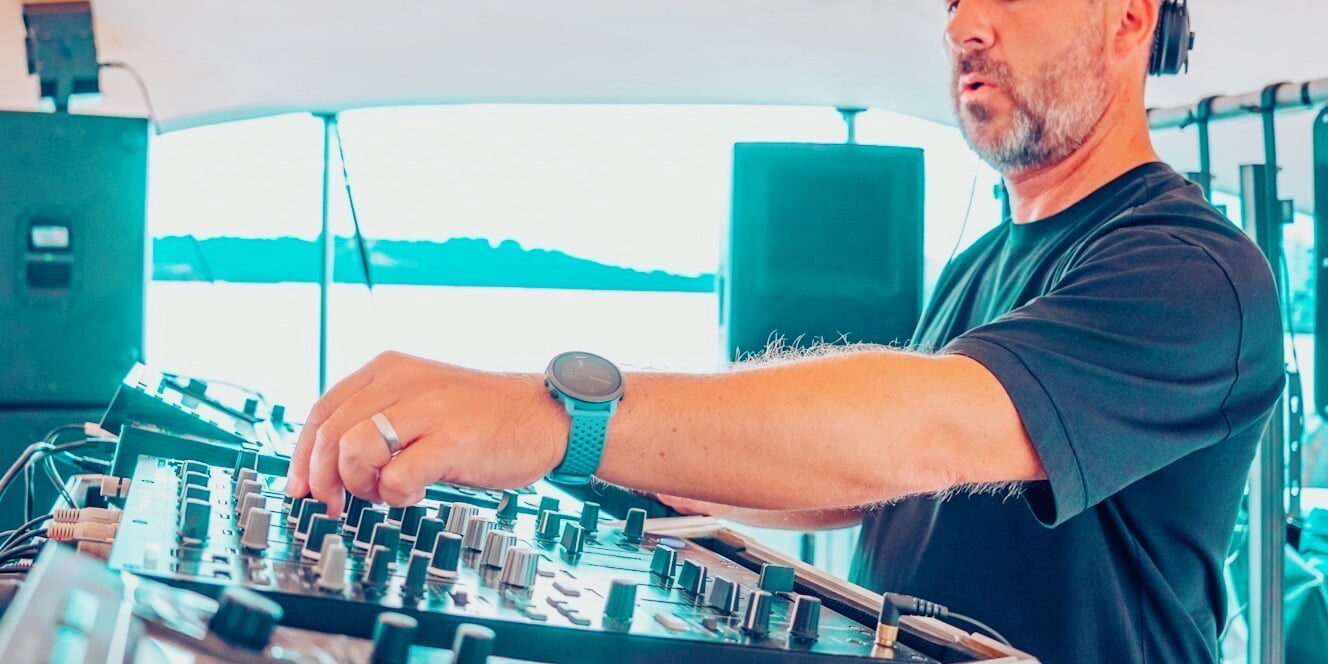
DJ jobs in the UK range from weekly bar and club residencies to weddings, festivals, radio shows and summer seasons abroad. Most DJs get work through promoters, venues and word of mouth rather than formal job adverts, so the DJs who get booked are the ones with a clear sound, a good mix online and a network in their local scene. This guide covers the types of DJ work available, typical UK pay, where to find gigs, how to pitch to promoters and the paperwork you need.
DJ jobs in the UK: quick answers
- Main types of work: resident DJ, warm-up DJ, club and festival bookings, bar gigs, weddings and private events, radio and streaming shows
- Typical club pay: roughly £80–£100 a night for newer DJs, £150–£300 for experienced DJs, more for headliners
- Typical wedding pay: roughly £500–£1,000 for a full evening
- Qualifications needed: none, but skills on club-standard gear are expected
- Paperwork to have: public liability insurance, PAT-tested equipment, a ProDub licence if you copy music to digital, and a simple contract
- Best way in: open decks nights, local bars, community radio and a strong mix online
Why there’s demand for DJs in the UK
The UK has always been a powerhouse of global club culture. From legendary venues in London, Manchester and Glasgow to intimate bars and rooftop parties in coastal towns, there’s a constant need for DJs who can adapt their style to the crowd and the room.
Venues want DJs who turn up prepared, bring people through the door and keep the floor busy. That means regular resident slots, last-minute cover gigs and event bookings for DJs who can deliver.
Types of DJ jobs you can land
- Resident DJ: a regular weekly or monthly slot at a club or bar. It’s the best way to build a local following and learn to read a crowd.
- Warm-up DJ: opening the night before the headliner. A good warm-up builds the energy without peaking too early, and promoters remember DJs who do it well.
- Club and festival bookings: one-off sets on bigger stages, usually once you have a name, a following or releases behind you.
- Bar DJ: background-to-busy sets in bars and restaurants. Often the first paid work for new DJs.
- Weddings, private and corporate events: birthdays, weddings, brand launches and afterparties. Usually the best-paid work per night, but you’ll often supply your own sound system.
- Radio and streaming shows: community, internet and FM radio stations, plus Mixcloud shows, help you reach listeners and promoters far beyond your local scene.
- Seasonal work abroad: bar and hotel DJ jobs in holiday resorts, and DJ roles on cruise ships, are often advertised for the summer season.
How much do DJs get paid in the UK?
There’s no industry standard for DJ fees, so pay depends on the venue, the night, your experience and how many people you bring. As a rough guide:
- New club DJs: around £80–£100 a night
- Warm-up DJs at bigger clubs: around £30–£50 an hour
- Experienced club DJs: around £150–£300 a night
- Wedding DJs: around £500–£1,000 for a full evening, before travel and equipment costs
- Headliners and festival names: much higher, usually negotiated through an agent
Independent venues vary the most, while chain clubs often have fixed rates. For all DJ jobs, agree your fee, set times and what equipment is provided before the night.
What venues and promoters look for when hiring for DJ jobs
Promoters and bookers aren’t just looking for someone who can hit play. They’re looking for curators who can read the crowd, keep energy flowing and deliver a consistent vibe from start to finish.
- Tight mixing and technical skills: whether you’re on vinyl, CDJs or a controller, your transitions should feel effortless.
- A defined sound: venues book DJs for their sound as much as their skill. Own your niche.
- Reliability: turning up on time, sticking to your set time and handing over smoothly to the next DJ.
- Pulling power: promoters need to sell tickets, so a DJ who promotes the night and brings friends gets rebooked.
- Professionalism: clear communication, an up-to-date press pack and the right paperwork.
How to find DJ jobs in the UK
Landing the best DJ jobs is a mix of hustle, networking and being in the right place at the right time. Here’s where to look:
- Booking platforms: sites such as Encore Musicians list paid DJ gigs for weddings, parties and corporate events.
- Local Facebook groups and venue socials: many bars and clubs post DJ call-outs directly on their pages.
- Event listings: check who promotes the nights you’d like to play, then follow and get to know those promoters.
- Open decks nights: the easiest way to play on a real system in front of promoters and other DJs.
- Online mixes: upload regular mixes to Mixcloud, SoundCloud and YouTube. Promoters often scout online before getting in touch.
- Network in person: go to club nights, support other DJs and talk to promoters. Many DJs get booked through word of mouth.
How to pitch yourself to a promoter
- Do your research: go to the night first, so you know the music, the crowd and the set times.
- Record a mix for that night: 30–60 minutes that shows you understand their sound, not just yours.
- Keep the message short: who you are, why you fit the night, a link to your mix and your availability.
- Include a press pack: a short bio, a press photo and links to your socials. A DJ media pack makes this easy.
- Offer the warm-up: it’s the easiest slot to get and the best way to prove yourself.
- Follow up once: if you don’t hear back, a polite follow-up after a week or two is fine. Then keep showing up and supporting the night.
DJ jobs pitch email template
Use this template when you message a promoter or venue about DJ jobs. Keep it short and make it about their night, not just you.
Subject: Warm-up DJ for [night name], [your genre]
Hi [name],
I’m [your DJ name], a [genre] DJ based in [town]. I came down to [night name] on [date] and loved [something specific about the night or the headliner].
I’ve recorded a 45-minute mix built around your sound: [mix link]. My press pack with bio and photos is here: [link].
I’d love to play a warm-up slot. I’m free on [dates] and can help promote the night to my following.
Thanks,
[name, phone, Instagram]
How to land a DJ residency
A residency is one of the most valuable DJ jobs you can get early on. It gives you regular income, a home crowd and the chance to develop your sound week after week.
- Become a regular: go to the venue, get to know the staff and understand the crowd before you ask for anything.
- Start with cover gigs: offer to step in when a resident is away. Reliable cover DJs are often the first in line when a slot opens up.
- Play for the room: a resident’s job is to keep the venue busy all night, not to show off. Read the crowd and build steadily.
- Bring something extra: a themed night idea, a following you can bring, or help with promotion all make you more valuable to the venue.
- Agree the terms: confirm your fee, how often you play, set times and notice periods in writing.
First DJ gig checklist
- Confirm the date, set time, fee and who your contact is on the night
- Check what equipment the venue has and bring the right cables and adaptors
- Prepare your music on two USBs, analysed and with cue points set
- Pack your headphones and a spare pair if you have one
- Arrive early, introduce yourself to the DJ before you and the sound engineer
- Promote the gig on your socials before and after
- Thank the promoter afterwards and ask about future dates
Essential equipment and skills for DJ jobs
- Club-standard gear: most UK clubs use Pioneer DJ (AlphaTheta) CDJs and mixers, so practise on them before your first booking.
- Prepared USBs: export your music with rekordbox, and always carry a backup USB.
- Your own headphones: closed-back DJ headphones and the right adaptor.
- Your own system for mobile work: for weddings and private events you’ll usually need speakers, a controller or decks, a microphone and lighting.
- Crowd reading: the most important skill of all, and the one you only learn by playing out.
Paperwork you need for DJ jobs in the UK
- Public liability insurance: not a legal requirement, but many venues and clients ask for a certificate before they’ll book you.
- PAT testing: if you bring your own equipment, have it tested regularly, typically once a year, and labelled.
- ProDub licence: if you copy music from vinyl, CD or downloads onto a laptop or USB for professional DJing, you need a ProDub licence from PPL PRS.
- A written contract: set out your fee, payment dates, set times, cancellation terms and what the venue provides.
- Tax: DJ income is usually self-employed income, so keep records of fees and costs and register with HMRC for Self Assessment when you need to.
Building a DJ brand that wins DJ jobs
In today’s scene, your brand is as important as your beatmatching.
- Create a visual identity: a logo, press shots and consistent branding on your socials.
- Share your story: people connect with you as much as your sets. Share behind-the-scenes moments, gig highlights and your journey.
- Post regular mixes: keep your sound fresh in people’s ears and show your versatility.
- Have a press pack ready: bio, photos, mixes, past gigs and contact details in one place. See my DJ media pack for an example.
Common mistakes that cost DJs jobs and gigs
- Playing your own peak-time set during the warm-up
- Sending a promoter the same generic message as everyone else
- Not promoting the night you’re booked for
- Turning up late, or without a backup USB
- Ignoring the crowd to play only what you want to hear
Frequently asked questions about DJ jobs in the UK
How much do DJs get paid in the UK?
UK DJ pay varies widely. Newer club DJs often earn around £80–£100 a night, experienced club DJs around £150–£300, and wedding DJs around £500–£1,000 for a full evening. Headliners earn much more.
Do I need qualifications to become a DJ?
No formal qualifications are needed to be a DJ in the UK. Most DJs learn through practice and playing out, though DJ courses can help you build technical skills and industry knowledge faster.
How can I get my first DJ gig?
Start with open decks nights, small bars and community radio stations. Share your mixes online, offer to play warm-up sets and get to know local promoters. Consistency and being part of the scene are key.
Where can I find DJ jobs in the UK?
DJ jobs in the UK are found through promoters, venue social media pages, local Facebook groups, booking platforms such as Encore Musicians and word of mouth. Many DJ jobs and residencies are never advertised.
What equipment do I need to start DJing?
You need a DJ controller or decks and a mixer, headphones, and a laptop or USB drives. Most clubs provide Pioneer DJ CDJs and mixers, so knowing how to use them is a big advantage.
Do DJs need a licence in the UK?
Venues hold the licence to play music in public, but a DJ who copies music onto a laptop or USB for professional use needs a ProDub licence from PPL PRS.
Do DJs need insurance?
Public liability insurance isn’t a legal requirement for DJs, but many UK venues and clients ask for it before confirming a booking.
How do I become a resident DJ?
To become a resident DJ, become a regular at the venue, offer to cover when the resident is away, play for the room rather than yourself, and bring ideas or a following that helps the venue. Agree your fee and schedule in writing.
What should I include when pitching to a promoter?
When pitching to a promoter, include a short intro, why you suit their night, a link to a mix built for their sound, your press pack, your availability and how you’ll help promote the night.
Can I DJ part-time?
Yes. Many DJs take part-time DJ jobs while building their reputation, as most gigs are in the evenings and at weekends.
Are there DJ jobs outside clubs and bars?
Yes. Weddings, private parties, brand events, radio shows, livestreams, holiday resorts and cruise ships all hire DJs.
Final drop: go and get those DJ jobs
If you’ve got the passion, the playlist and the persistence, the UK is full of DJ jobs waiting for your sound. From small bar residencies to festival main stages, the key is to put yourself out there, stay consistent and let the music do the talking.